First-Step Morning Pain
Sharp or aching discomfort when getting out of bed or standing after sitting for an extended period.

Heel pain can make your first steps in the morning, a day at work, or your regular activities uncomfortable. Dr. William S. Wong provides podiatric evaluations for heel pain, including discomfort associated with plantar fasciitis, Achilles tendon problems, and other foot conditions.

A graduate of the New York College of Podiatric Medicine and a Fellow of the American College of Foot and Ankle Surgeons, Dr. Wong provides foot and ankle care for patients in Lakeland, Florida.
25+ Years in BusinessHeel pain is a symptom, not a single diagnosis. The location of the discomfort, when it occurs, and what makes it worse can provide important clues about the cause.
The heel bone, called the calcaneus, helps support your weight during standing and walking. Surrounding structures include the plantar fascia beneath the foot, the Achilles tendon behind the heel, and the cushioning heel fat pad.
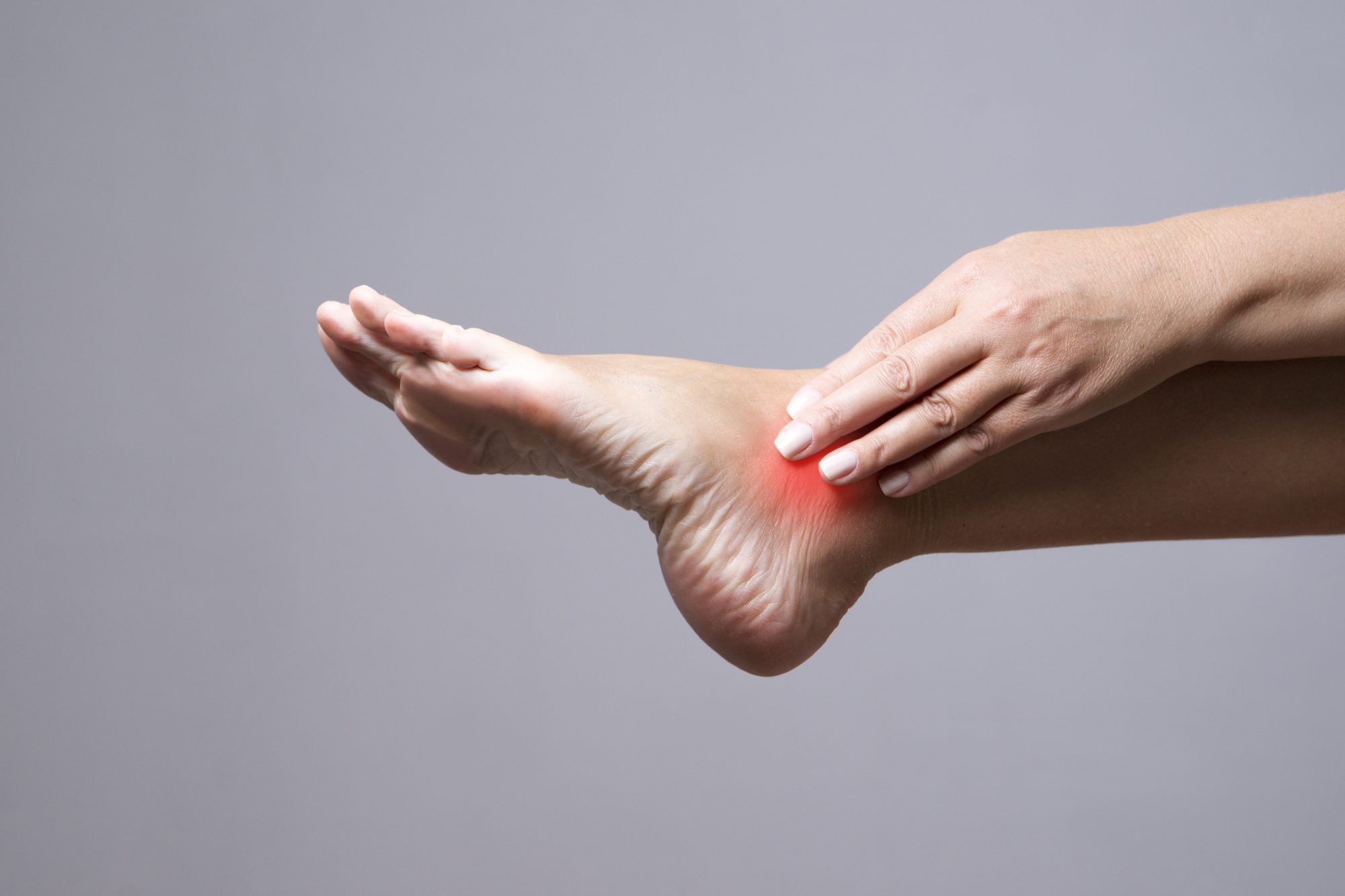
Pain beneath the heel may be associated with plantar fasciitis or heel pad problems. Discomfort behind the heel may involve the Achilles tendon, while pain following repeated impact can sometimes indicate a stress injury.
Because these conditions require different approaches to treatment, identifying the source of heel pain is an important first step toward managing symptoms.
Schedule a heel pain evaluation →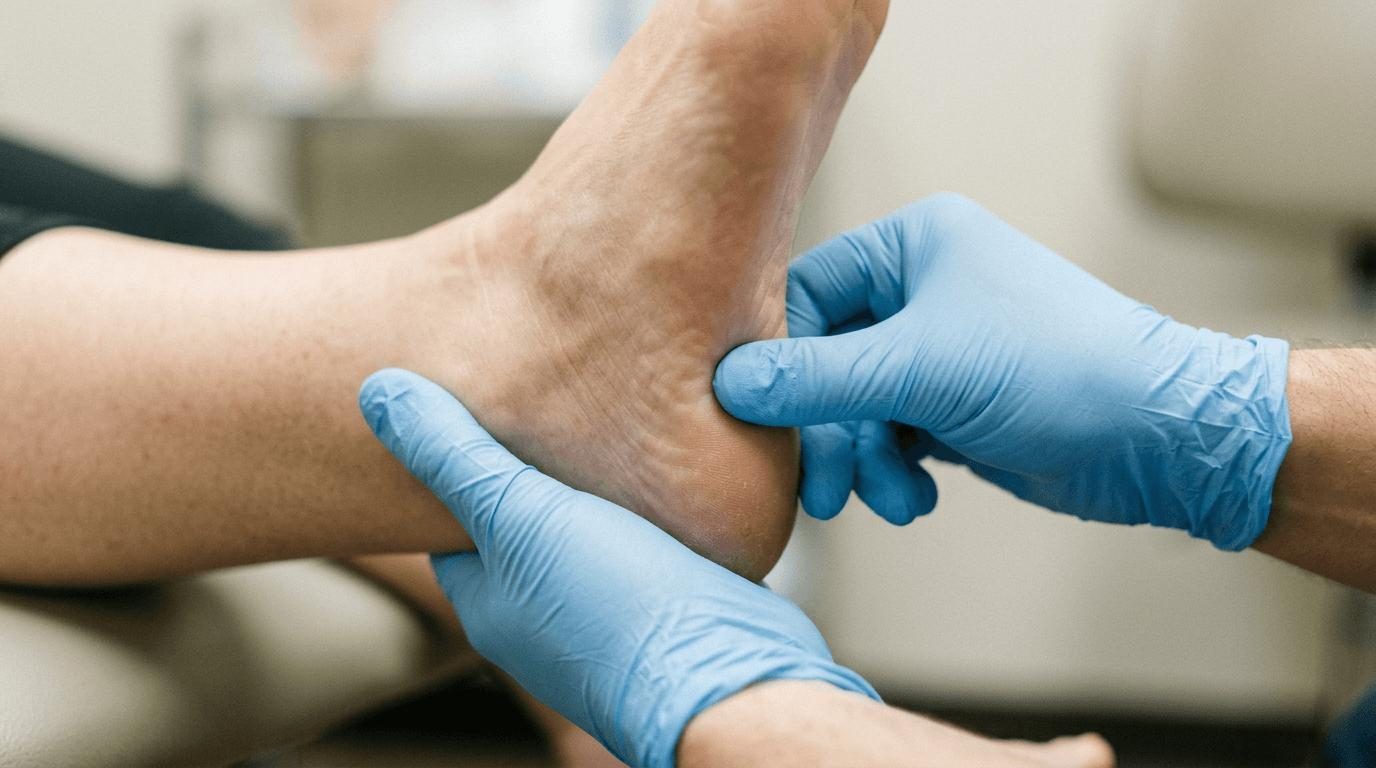
Heel pain can feel different depending on the tissues involved. These symptoms may help describe your discomfort during a podiatric examination.
Sharp or aching discomfort when getting out of bed or standing after sitting for an extended period.
Tightness around the heel, arch, or calf, especially after rest or during the start of activity.
Sensitivity to touch or swelling around the heel or Achilles tendon, sometimes after physical activity.
Discomfort that becomes noticeable when bearing weight, walking long distances, or spending hours standing.
Heel discomfort that increases during or after running, jumping, sports, or a sudden change in activity level.
Pain that makes it difficult to place normal pressure on the affected heel or changes the way you walk.
Pain beneath the heel, behind the heel, and deep within the heel may have different causes. Noting the location, onset, and relationship to activity can help during your evaluation. Symptoms alone do not confirm a particular diagnosis.
Several conditions can produce heel discomfort. The original Lakeland Foot & Ankle heel pain information identifies four important causes.
Plantar fasciitis involves irritation of the thick band of tissue that runs along the bottom of the foot. It often causes pain beneath the heel, especially with the first steps in the morning or after sitting.
The Achilles tendon connects the calf muscles to the heel bone. Irritation or degeneration of the tendon can cause pain and stiffness behind the heel, frequently associated with repetitive loading or a change in activity.
Repeated impact can sometimes cause a small fracture in the heel bone. Pain may increase with weight-bearing activity and may be accompanied by localized tenderness or swelling.
Trauma or repeated pressure can injure the cushioning tissues beneath the heel. This may cause a deep, bruise-like sensation when standing or walking.
Heel pain may also arise from nerve irritation, bursitis, inflammatory conditions, or other foot problems. A heel spur seen on an X-ray does not necessarily mean the spur itself is causing pain.
Effective heel pain management begins with determining which structures are responsible for your symptoms.
Dr. Wong can evaluate the location of your discomfort, your activity history, and relevant physical findings to help determine the next steps.
A review of when the pain started, where it occurs, previous injuries, footwear, and activities that improve or worsen symptoms.
Assessment of heel tenderness, foot alignment, mobility, gait, and structures such as the plantar fascia and Achilles tendon.
X-rays or other imaging may be recommended when a fracture, another structural condition, or an unclear diagnosis needs further investigation.
The right treatment depends on the cause of your heel pain. Many heel conditions can initially be managed without surgery, although some injuries require different precautions or more specialized care.
Shoes with appropriate cushioning, fit, and support may reduce stress on painful tissues. Footwear advice depends on the diagnosis and activity.
Certain heel pain conditions may benefit from shoe inserts or orthotics that help distribute pressure and support the foot during activity.
Learn about orthotics →Condition-specific stretching, strengthening, or physical therapy may be recommended for problems involving the plantar fascia, Achilles tendon, or calf muscles.
Temporarily reducing activities that aggravate symptoms or adjusting exercise routines may allow irritated tissues to recover. Suspected fractures require prompt assessment.
Depending on the condition and your medical history, appropriate pain management or other nonsurgical treatments may be considered. Not every treatment is suitable for every cause of heel pain.
Persistent symptoms or certain structural problems may warrant further evaluation. Surgery is considered selectively and is not the usual first treatment for common heel pain.
Explore surgical care →No. Plantar fasciitis, Achilles tendon problems, heel pad injuries, and stress fractures have different treatment considerations. For example, stretching that may be appropriate for one condition may be inappropriate for an acute injury. An accurate diagnosis helps guide care.
While waiting for an evaluation or following a recommended treatment plan, a few practical adjustments may help reduce avoidable stress on your feet.
Seek prompt medical evaluation for severe pain after an injury, inability to bear weight, significant swelling, or a sudden popping sensation near the Achilles tendon. A red, hot, swollen foot accompanied by fever also needs urgent assessment. Do not continue exercising through these warning signs.
Answers to common questions about heel pain, plantar fasciitis, evaluation, and treatment.
Heel pain during the first steps in the morning is often associated with plantar fasciitis. However, other conditions can produce similar symptoms, so persistent discomfort should be evaluated.
No. Heel pain can be caused by Achilles tendon problems, heel pad injuries, stress fractures, nerve irritation, or other conditions. The location and pattern of pain help guide the evaluation.
Orthotics or supportive inserts may help certain causes of heel pain, particularly when foot mechanics or pressure distribution contribute to symptoms. They are not appropriate for every heel condition.
Learn about orthotics →Consider an appointment if pain persists, returns frequently, or interferes with walking and daily activities. Severe pain, injury-related symptoms, or an inability to bear weight may require prompt evaluation.
Request an appointment →No. Heel spurs can appear on X-rays without causing symptoms. The presence of a spur does not necessarily explain heel pain, and treatment should focus on the actual source of discomfort.
Usually not. Many common causes of heel pain are initially treated with nonsurgical methods. Surgical options may be considered for selected conditions when appropriate treatment has not provided sufficient improvement.
Learn about foot and ankle surgery →Explore additional foot and ankle services at Lakeland Foot & Ankle.