Yellow or White Discoloration
White, yellow, or brown areas may appear beneath or within the nail, sometimes spreading over time.

Thick, discolored, or brittle toenails can be uncomfortable and difficult to manage. Dr. William S. Wong provides podiatric evaluations for toenail changes and individualized recommendations for suspected fungal nail infections, also known as onychomycosis.

A graduate of the New York College of Podiatric Medicine and a Fellow of the American College of Foot and Ankle Surgeons, Dr. Wong provides foot and ankle care for patients in Lakeland, Florida.
25+ Years in BusinessToenail fungus, medically called onychomycosis, is an infection of the toenail caused by fungi. It can affect the nail's color, thickness, shape, and texture.
A fungal infection may begin as a small white or yellow area near the edge of the nail. As it develops, the nail may become thicker, brittle, crumbly, or separated from the underlying nail bed.
Toenail fungus can affect one nail or several. It may cause little discomfort at first, but thickened nails can eventually become painful in shoes or difficult to trim.
Importantly, not every discolored or thickened toenail has a fungal infection. Nail injuries, psoriasis, and other medical conditions can produce similar changes.
Identifying the cause helps determine whether antifungal medication, professional nail care, or another approach is appropriate.
Schedule a toenail evaluation →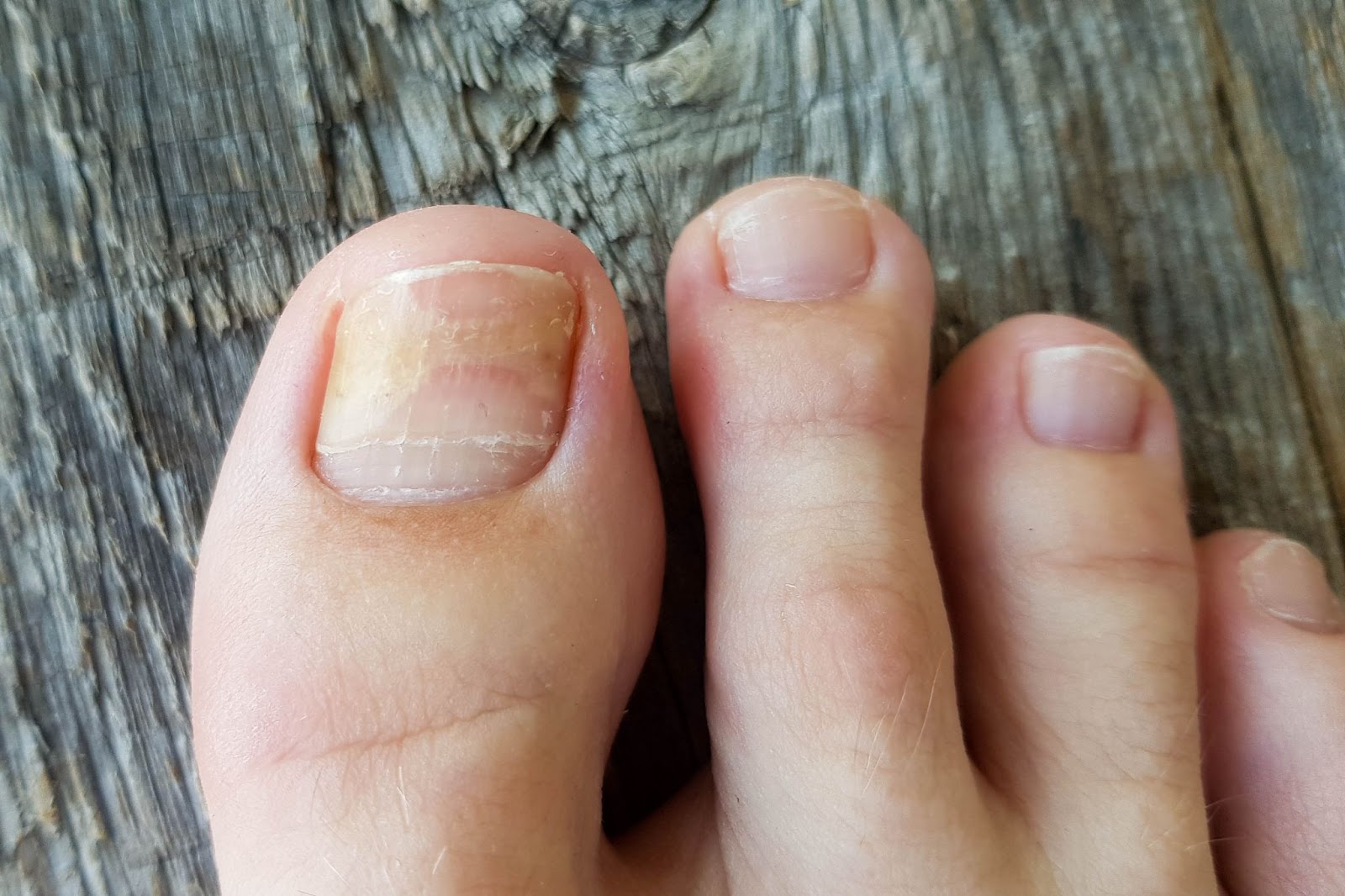
Fungal nail infections can produce several visible changes. These signs may suggest an infection but do not confirm the diagnosis on their own.
White, yellow, or brown areas may appear beneath or within the nail, sometimes spreading over time.
The nail plate may become noticeably thicker, making ordinary trimming and comfortable shoe fit difficult.
The edges of the toenail may become rough, fragile, uneven, or prone to breaking apart.
Part of the nail may lift away from the nail bed, leaving a space beneath the affected area.
A fungal infection may contribute to a distorted or irregular nail surface as the nail becomes damaged.
A thick or damaged nail may become tender when pressed by footwear or during daily activities.
Repeated nail trauma, psoriasis, and other nail conditions can resemble fungal infection. If nail changes persist or worsen, an evaluation can help avoid unnecessary or ineffective treatment.

Toenail fungus develops when organisms, most commonly dermatophyte fungi, infect the nail. Several conditions can make fungal exposure or infection more likely.
Fungi can spread in shared damp environments, including communal showers, locker rooms, and poolside walking areas.
Feet that remain sweaty or enclosed in damp footwear for long periods may be more susceptible to certain fungal infections.
Repeated pressure from shoes, sports-related trauma, or previous nail damage may make the nail more vulnerable to infection.
Fungal infection of the skin, commonly known as athlete's foot, can occur alongside toenail fungus and may contribute to ongoing exposure.
Toenail fungus becomes more common with age. Diabetes, circulation problems, and weakened immune function can also increase the importance of appropriate care.
The appearance of a toenail can suggest fungal infection, but physical appearance alone cannot reliably distinguish fungus from every other nail disorder.
Dr. Wong can evaluate the affected nails, review your medical history, and determine whether laboratory testing or another assessment is appropriate.
Discussion of when changes began, previous treatment, nail injuries, symptoms, and relevant medical conditions or medications.
Assessment of nail thickness, color, separation, surrounding skin, and whether other toenails are also affected.
A nail clipping or sample may be sent for laboratory analysis to confirm fungal infection, particularly before systemic antifungal treatment is considered.
Treatment depends on how many nails are affected, infection severity, nail thickness, medical history, and whether fungal infection has been confirmed.
Certain antifungal solutions can be applied directly to affected nails. They may be appropriate for selected mild or limited infections, but treatment often requires consistent application over months.
Oral antifungals may offer greater effectiveness for certain confirmed infections. A clinician must consider medication interactions, liver health, and other medical factors before prescribing.
Reducing excessive nail thickness through appropriate professional care may improve comfort, make trimming easier, and support selected treatment plans.
When a fungal skin infection is also present, addressing it may help reduce sources of continued fungal exposure around the feet.
Keeping feet dry, changing damp socks, and managing contaminated footwear or nail tools may help lower the risk of reinfection.
Even after successful treatment, a visibly healthy nail takes time to grow out. Toenails commonly require many months, sometimes a year or longer, to fully replace the damaged nail.
Antifungal treatment targets the infection, but damaged nail tissue must gradually grow out before the nail looks healthier. Because toenails grow slowly, visible improvement can take months, even when treatment is effective. Recurrence is possible.
Fungal nail infections can recur. Consistent foot hygiene and sensible footwear habits may help reduce exposure and reinfection.
People with diabetes, neuropathy, or circulation problems should seek timely evaluation for nail changes, especially when pressure from a thick nail injures the skin. New redness, drainage, open wounds, or signs of infection require prompt medical attention. Avoid cutting or digging into an affected nail yourself.
Answers to common questions about fungal nail infections, treatment, and prevention.
Possible signs include yellow or white discoloration, thickening, brittleness, crumbling, and nail separation. However, injuries and other nail disorders can look similar. Testing may be recommended to confirm fungal infection.
Established toenail fungus often persists without treatment and may spread to more of the nail or neighboring nails. A podiatric evaluation can help confirm the cause and determine whether treatment is appropriate.
Oral antifungals are often more effective for certain confirmed fungal nail infections, but they are not suitable for every patient. Topical prescriptions may be considered for selected cases. A clinician should review the risks and expected benefits.
Treatment duration depends on the medication and severity. Even when the infection is successfully treated, normal nail growth may take many months, sometimes a year or longer, to replace the affected nail.
Yes. Toenail fungus can recur. Addressing athlete's foot, keeping feet dry, using breathable footwear, and maintaining appropriate nail hygiene may reduce the risk of reinfection.
Yes. People with diabetes may face greater risks when nail thickening, pressure injuries, or skin infections occur. They should seek timely evaluation rather than attempting aggressive self-treatment.
Learn about diabetic foot care →Explore additional podiatry services at Lakeland Foot & Ankle.