Persistent Foot Pain
Pain that continues despite suitable treatment or interferes with work, walking, or daily activities.

Persistent foot pain, injuries, and structural problems can affect your mobility and quality of life. Dr. William S. Wong provides podiatric evaluations to help patients understand their condition, consider nonsurgical treatments, and discuss surgical options when appropriate.

A graduate of the New York College of Podiatric Medicine and a Fellow of the American College of Foot and Ankle Surgeons, Dr. Wong provides foot and ankle care for patients in Lakeland, Florida.
25+ Years in BusinessSurgery may be considered when a foot or ankle condition causes significant pain, instability, deformity, or loss of function that cannot be adequately managed with appropriate nonsurgical care.
Your feet and ankles contain an intricate system of bones, joints, muscles, tendons, ligaments, and nerves. Problems involving these structures can affect how you stand, walk, exercise, and perform everyday tasks.
Some conditions improve with footwear changes, orthotics, medication, rehabilitation, or activity modifications. Others may require surgical assessment because of their severity, structural changes, or the nature of an injury.
The decision to consider surgery should account for the diagnosis, physical findings, medical history, treatment goals, expected benefits, possible complications, and recovery requirements.
An evaluation helps clarify whether surgery is appropriate, whether additional nonsurgical care should be considered, or whether specialized referral is necessary.
Schedule a foot and ankle evaluation →
These symptoms do not necessarily mean surgery is required. They may indicate that a foot or ankle condition deserves further examination and treatment planning.
Pain that continues despite suitable treatment or interferes with work, walking, or daily activities.
Stiffness or loss of motion affecting the toes, foot, or ankle and limiting normal mobility.
Ongoing swelling or tenderness following an injury or associated with a chronic joint condition.
An ankle that repeatedly gives way, or weakness that affects balance and normal foot function.
A worsening bunion, hammertoe, or another deformity that creates pressure, pain, or shoe-fit problems.
Continued pain, reduced function, or difficulty bearing weight after a foot or ankle injury.
Many foot and ankle problems respond to nonsurgical care. A thorough evaluation helps identify the source of symptoms, rule out serious injuries, and determine which treatment options deserve consideration.
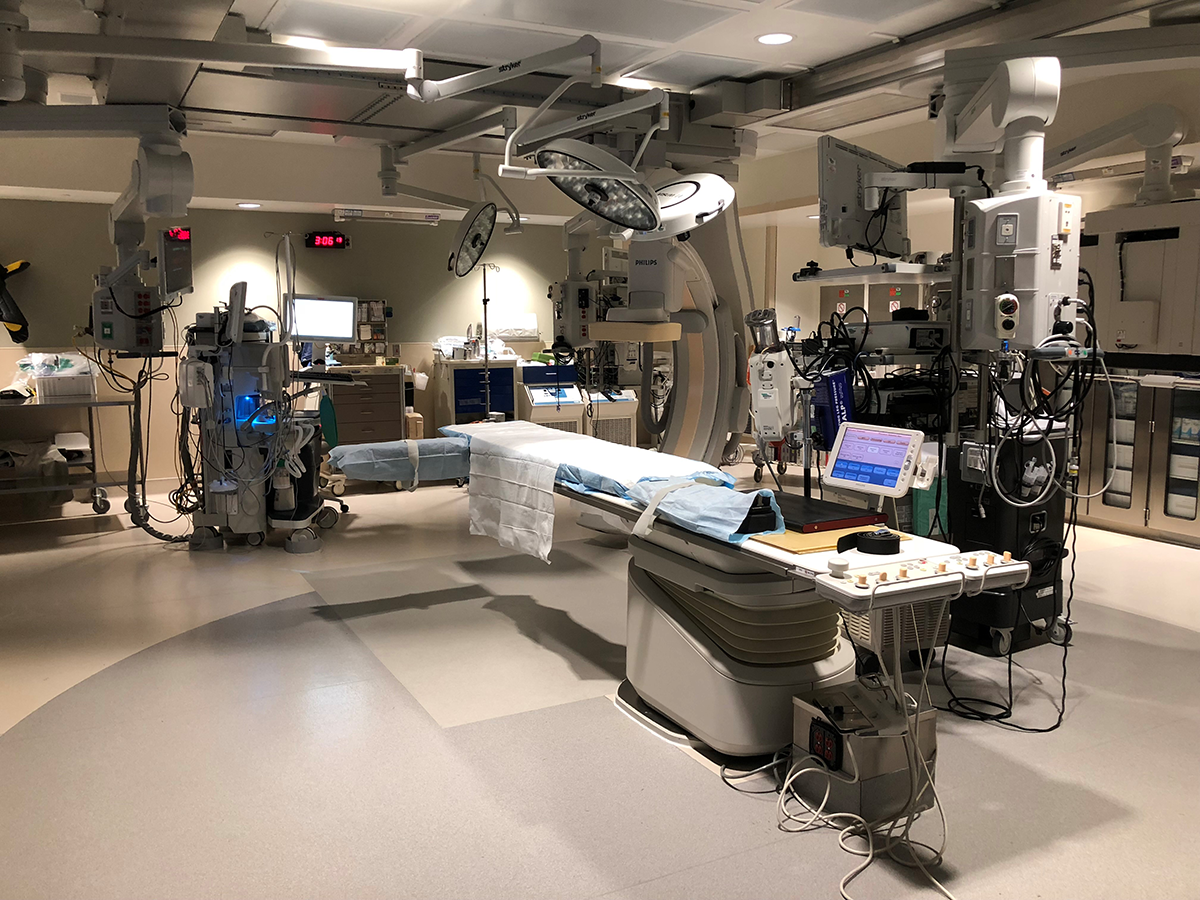
Surgery can be considered for a range of foot and ankle problems, depending on the diagnosis and individual circumstances. Not every condition listed below requires an operation.
Painful toe deformities may interfere with footwear, walking, and joint function. Surgical correction may be discussed when appropriate nonsurgical measures do not adequately manage symptoms.
Advanced joint damage may lead to ongoing pain, stiffness, and loss of movement. Certain patients may require evaluation of surgical options based on the affected joint.
Some fractures, dislocations, or significant soft-tissue injuries require surgical stabilization or repair. Urgent injuries may need immediate specialty care.
Selected tendon injuries, ligament damage, or chronic instability may require surgical assessment when symptoms or structural problems remain significant.
Certain severe or progressive structural problems may warrant consideration of reconstructive treatment or referral to an appropriate surgical specialist.
A surgical evaluation begins with understanding your symptoms and identifying the condition responsible for them. It should also explain reasonable alternatives and what treatment may involve.
Dr. Wong can review your foot or ankle concerns, examine the affected area, and discuss appropriate next steps based on clinical findings.
Review of pain, injuries, previous treatments, medical conditions, medications, and the effect on walking or everyday activities.
Assessment of alignment, joint movement, tenderness, stability, and function. X-rays or other imaging may be recommended when necessary.
Discussion of nonsurgical options, whether surgical consultation is indicated, expected recovery considerations, and questions to address before making a decision.
Treatment depends on the affected structures, severity of the condition, overall health, and individual goals. Different diagnoses require different approaches, and surgery is not always the best first option.
Depending on the condition, initial treatment may include footwear adjustments, orthotics, activity modification, medication, immobilization, or rehabilitation.
Surgery for selected bunions or hammertoes may involve correcting alignment, addressing affected joints, or balancing surrounding soft tissues.
Some unstable fractures, displaced bones, or serious injuries require surgical stabilization. The approach depends on the injury and urgency of treatment.
Repair or reconstruction may be considered for selected tendon injuries, ligament damage, or persistent joint instability.
Certain advanced joint conditions may lead to discussion of procedures such as joint fusion, arthroscopy, or other surgery depending on the location and diagnosis.
Complex deformities or significant structural problems may require an assessment of reconstructive options or referral to a surgeon with expertise in the specific procedure being considered.
No. Many foot and ankle conditions improve with appropriate nonsurgical treatment. Surgery may be considered when conservative measures are insufficient, an injury requires structural repair, or the potential benefits outweigh the risks. Individual procedure availability should be confirmed during consultation.
When surgery is recommended, understanding the procedure and recovery expectations is an important part of informed decision-making.
A visibly deformed foot after an injury, inability to bear weight following significant trauma, an open fracture, or a suddenly cold or numb foot requires urgent medical evaluation. After surgery, seek immediate guidance for symptoms such as uncontrolled bleeding, worsening wound drainage, fever, severe unexpected pain, or new circulation concerns. Chest pain or difficulty breathing requires emergency care.
Answers to common questions about surgical evaluation, treatment decisions, and recovery.
Surgery may be considered when a significant injury, structural problem, or persistent pain cannot be managed adequately with appropriate nonsurgical treatment. The decision depends on the diagnosis, severity, overall health, and individual goals.
Depending on the condition, alternatives may include supportive footwear, orthotics, medication, rehabilitation, activity modifications, or immobilization. Some serious injuries may still require surgical intervention.
Yes. Surgery may be considered for painful bunions or hammertoes that continue to interfere with footwear, walking, or normal activities despite suitable nonsurgical care.
Learn about bunions →Recovery varies significantly depending on the procedure, healing requirements, and individual health. Some operations allow earlier movement, while others require extended protection, restricted weight-bearing, or rehabilitation.
Some procedures require a boot, cast, crutches, or another support device. Others have different recovery instructions. Your surgical team should explain the expected restrictions before your procedure.
Ask about the diagnosis, nonsurgical alternatives, proposed procedure, expected benefits, risks, recovery timeline, time away from work, and any relevant medical conditions that may affect healing.
Request an evaluation →Explore other podiatric services available at Lakeland Foot & Ankle.